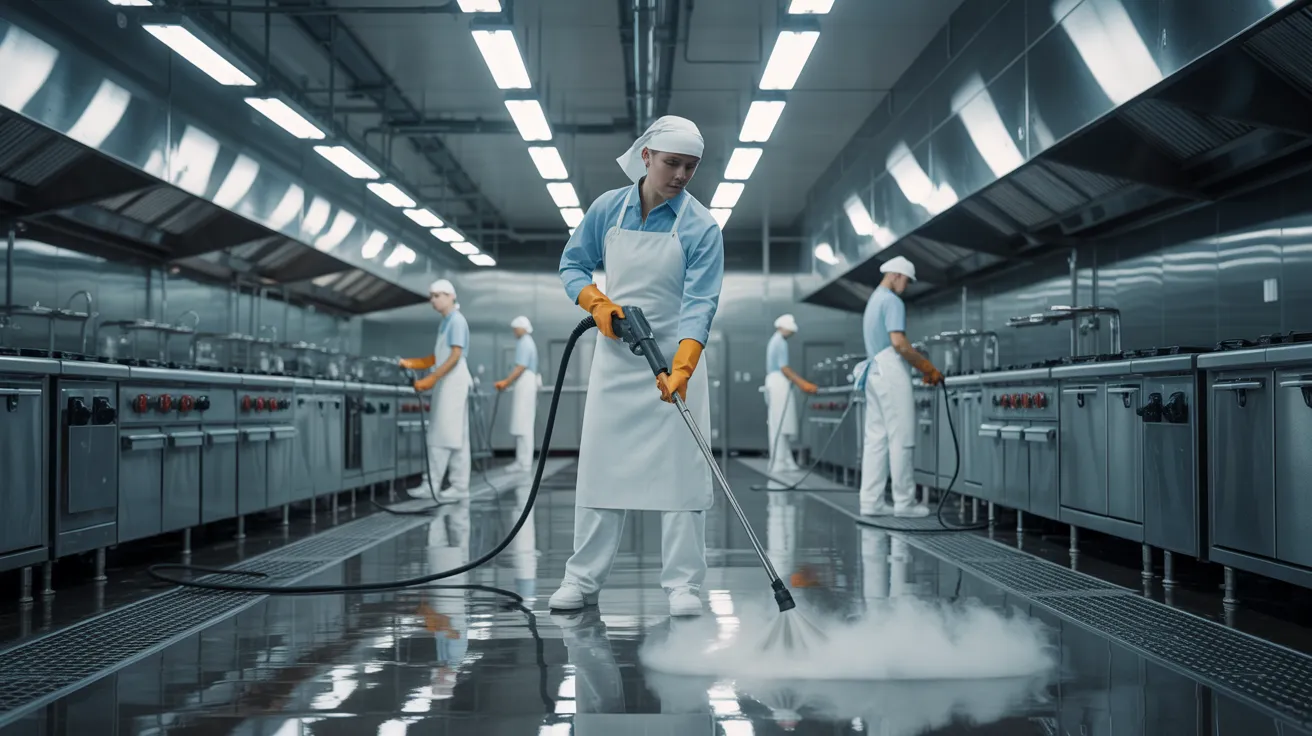
Commercial cleaning and food hygiene professionals in Brampton assist restaurants, commissaries, bakeries, warehouses, and mobile food services maintaining standards. They decontaminate high-contact points, food contact areas, equipment, floors, drains, restrooms, and food handling spaces using certified products, at correct dilution, and recording exposure duration. You require scheduled cleaning determined by hazard level, food throughput, food allergies, and regulatory assessments, plus documented proof that support Hazard Analysis Critical Control Points, quality reviews, and regulatory adherence. The sections below outlines what strong sanitation programs should include.
Essential Summary
- Sanitation specialists from Brampton support restaurants, grocery departments, commissaries, warehouses, bakeries, schools, mobile vendors, and allergen-sensitive operations.
- Frequently contacted areas, food-contact equipment, kitchens, floors, drains, restrooms, and storage areas are sanitized using compartmentalized approaches to prevent cross-contamination.
- Approved sanitizer dilution, suitability, and exposure duration are verified by trained vendors, with finalization recorded via tests, assessments, and remedial documentation.
- Sound sanitation plans consider risk, throughput, switches, spills, and requirements when allocating daily, recurring, and annual activities by location.
- Contractors need to demonstrate HACCP, public-health expertise, WHMIS instruction, protection, endorsements, colour-coded implements, and audit-ready maintenance files.
What Brampton Venues Require Food Safety Cleaning?
You must comply with food safety cleaning if your operation is covered by public health inspection, food premises regulations, or internal HACCP-based controls. This covers eateries, dining areas, supply warehouses, retail departments, meat counters, fish departments, general stores, and facility-based kitchens.
Adherent sanitation standards proves needed in supply warehouses, processing plants, freezer locations, commercial bakeries, school food programs, reception facilities, and food delivery centers. Portable temporary ventures matter as well, like food trucks, event sellers, and temporary stalls. Your location needs written cleaning standards if your workers process ingredients, portion ready-to-eat items, reheat products, or store allergens. In Brampton, hygiene stays discretionary; it represents statutory, functional, and public health adherence.
What Services Do Brampton Cleaning Experts Provide?
You need skilled cleaning experts who disinfect high-touch surfaces, cooking areas, floor areas, and restroom facilities to maintain food safety and public health requirements. These areas are targeted because they carry the greatest contamination risk, falling hazards, and regulatory breaches.
When you understand what they clean, you can ensure your operation's cleaning procedures satisfy operational and regulatory requirements.
Critical High-Touch Surface Sterilization
create a sterilization protocol
sampling techniques to validate sterilization results
Kitchens, Floors, and Restrooms
Brampton cleaning services focus on kitchens, floors, and restrooms as each zone presents distinct sanitation, accident, and public health concerns. In industrial kitchens, you need grease removal from cooking stations, appliance surfaces, drain systems, preparation areas, and backsplashes to minimize contamination and pest pressure.
Floor care that is recorded should equally be anticipated. Technicians scrub and extract buildup from tile grout, ceramic surfaces, and vinyl floors, then apply proper moisture management so you can limit falls and meet regulatory standards. They also address entryways where moisture and debris migrate indoors.
Restroom sanitation requires decontaminating touchpoints, fixtures, partitions, dispensers, and waste containers, restocking supplies and controlling odours. They also maintain restaurant cleaning supply rooms where product storage, sink cleanliness, and drain systems impact daily sanitation standards and worker protection.
Why Food Safety Cleaning Matters in Brampton
Brampton businesses need to establish food-safe cleaning standards for meeting health code requirements and obtaining approval. You also minimize bacterial spread through proper cleaning of food-preparation surfaces, appliances, and frequently-touched items. Most importantly, you safeguard community wellness by reducing the chance of food poisoning in your establishment.
Health Code Compliance
Since Brampton food operations must follow strict public health standards, your sanitation practices directly determines your capacity to satisfy health codes, safeguard diners, and sidestep regulatory penalties. You must maintain sanitized food contact points, verifiable cleaning logs, proper chemical use, and documented employee protocols that align with municipal and provincial inspection expectations.
Failure to maintain cleaning standards creates risks infractions, corrective orders, public perception damage, and operational suspension during follow-up inspections or regulatory actions.
Cross-Contamination Control
Adhering to health code standards requires your skill in preventing cross-contamination throughout daily food handling and cleaning. You need to separate raw ingredients from ready-to-eat foods, sanitize work stations after each task, and keep chemicals away from food-contact items. Organized systems minimize contamination events and maintain ongoing regulatory adherence.
You might establish allergen separation to stop main allergens from reaching shared surfaces, containers, or equipment. Apply separate boards, color-marked equipment, and rigorous tool identification so staff don't mix items throughout cooking or delivery. Mandate handwashing after handling raw meat, seafood, eggs, or allergen-containing products. Change wiping cloths regularly, and test disinfectant concentration using strips. When employees learn these procedures every shift, you develop a more sanitary, secure business that meets Brampton's food safety expectations every day.
Community Health Protection
When sanitation efforts deteriorate, you review article don't only face inspection setbacks—you expand the chance of food contamination striking customers, staff, and the larger Brampton community. You also undermine your responsibility in protecting public health, especially in busy food facilities where contamination can spread quickly through surfaces, equipment, and touchpoints.
You need cleaning protocols that remove soils, disinfect properly, and verify results. That means following contact times, using approved disinfectants, recording cleaning times, and training staff to meet regulatory standards. These measures facilitate disease prevention by lowering microbial loads before they contaminate surfaces or food. In Brampton, strong sanitation shields at-risk groups, limits outbreak potential, and enables you to show due diligence. When you maintain proper standards, you exceed basic requirements—you actively reduce risk and support safer food service throughout the region.
How Can Cleaning Practices Ensure Food Safety Compliance?
Upholding rigorous cleaning routines bolsters food safety compliance by lowering contamination exposure, managing pathogen expansion, and ensuring your facility complies with sanitation requirements under HACCP-based programs and public health regulations. You validate that product-contact areas are visibly clean and microbiologically controlled, facilitating documented preventive controls and inspection readiness.
Cleaning programs additionally fortify allergen prevention by extracting residues that can cause undeclared allergen exposure.
How Should You Arrange Commercial Cleaning Services?
spill incidents, and post-maintenance work
Drain systems, vents, storage racks, and hard-to-reach zones require weekly or monthly cleaning, guided by inspection findings and sanitation records.
Selecting the Right Brampton Cleaning Experts: Key Considerations
Begin by evaluating providers based on sanitation compliance standards—not solely on budget. You should confirm that each organization comprehends CFIA, public health, and HACCP-aligned expectations applicable to your facility. Request insurance certificates, WHMIS compliance, staff training documentation, and oversight procedures. Assess whether technicians recognize cross-contamination hazards, chemical handling protocols, and verifiable sanitation records.
You should also assess business dependability and responsibility. Request references from food facilities in Brampton, then examine turnaround periods, corrective actions, and communication standards. Confirm the company supports supplier audits and can present inspection-ready documentation when regulators or third parties request evidence. Check whether equipment is maintained is performed, colour-coded tools are used appropriately, and site-specific hazards are recognized. A competent service protects regulatory adherence, product integrity, and your brand reputation.
What details should a sanitation plan contain?
Create a documented strategy that defines every sanitation task, standard, and responsibility prior to beginning production. You should document cleaning schedules, authorized products, mixing ratios, exposure periods, equipment, and testing procedures for each zone, surface, and piece of equipment. Be sure to include pre-operational inspections, corrective actions, and employee training requirements.
Your plan should also include cross-contamination controls, waste handling, pest-prevention measures, and documented schedules for bathrooms, drainage, ground surfaces, and food-handling zones. Specify how you'll distinguish raw from ready-to-eat operations, support ingredient tracking, and maintain accurate allergen labeling through validated cleaning between product changes. You should establish accountability, preserve signed records, and check results against regulatory standards, HACCP controls, and customer requirements. When gaps appear, revise procedures immediately and retrain staff.
Regular Posed Questions
Will cleaning services manage nighttime hours at Brampton facilities?
If you manage regulated spaces, you'll also need documentation that enable inspections and maintain assurance.
Do sanitation professionals offer emergency spill response services?
Yes, you can locate Brampton sanitation experts providing hazard containment services. They manage contamination, evaluate risks, isolate contamination, and begin swift decontamination to minimize exposure and prevent business disruption. You should confirm timeframes, credentials, PPE measures, and waste procedures. If your facility must adhere to regulations, select a service that tracks incidents, follows procedures, and ensures audit compliance.
Do environmentally safe disinfectants work safely on food-contact surfaces?
Absolutely, eco-friendly disinfectants are safe for food-handling equipment when you opt for items marked food-safe and regulatory compliant. You must validate application timing, concentration levels, and rinse procedures before use. Botanical formulations minimize chemical hazards, though you require evidence of effectiveness against target microorganisms. For keeping surfaces residue-free, follow precise manufacturer instructions and ensure your cleaning agent satisfies food sanitation requirements.
Can cleaning schedules be modified for production fluctuations?
Certainly, maintenance plans adapt to seasonal shifts readily. Modify frequencies, staffing, disinfectants, and testing procedures to correspond with production rhythms while upholding regulatory requirements. Limit production downtime by timing sanitization alongside production shifts, peak volumes, and usage patterns. Additionally modify SSOPs, staff education, and monitoring protocols to address periodic risks, new allergens, or higher contamination levels. Scheduled reviews maintain the plan current.
Do commercial cleaning providers instruct staff members in proper hygiene techniques?
Certainly, professional cleaning experts train your staff on hygiene protocols. You obtain employee development on correct chemical practices, processing times, contamination control, equipment disassembly, and documentation. They generally coordinate instruction with HACCP, GMP, and CFIA or local public health standards. Many execute sanitation audits to verify compliance, uncover shortcomings, and reinforce corrective actions. This enables you to maintain consistent procedures, satisfy audits, and minimize foodborne pathogen risks every day.
Conclusion
By collaborating with Brampton food safety and commercial cleaning professionals, you aren't just organizing—you keep your operation inspection-ready and your practices in compliance. From production areas to kitchen zones, every clean surface and maintained corner decreases contamination and avoids expensive losses. By scheduling cleanings on the right schedule and following a documented cleaning plan, you protect your team, clients, and your credibility. In a strictly regulated industry, hygienic conditions must be prioritized—they're key to business compliance.